Have you tried translating earbuds yet? Or do you prefer the old-fashi…
페이지 정보
작성자 Jessica 작성일26-04-22 15:39 조회1회 댓글0건관련링크
본문
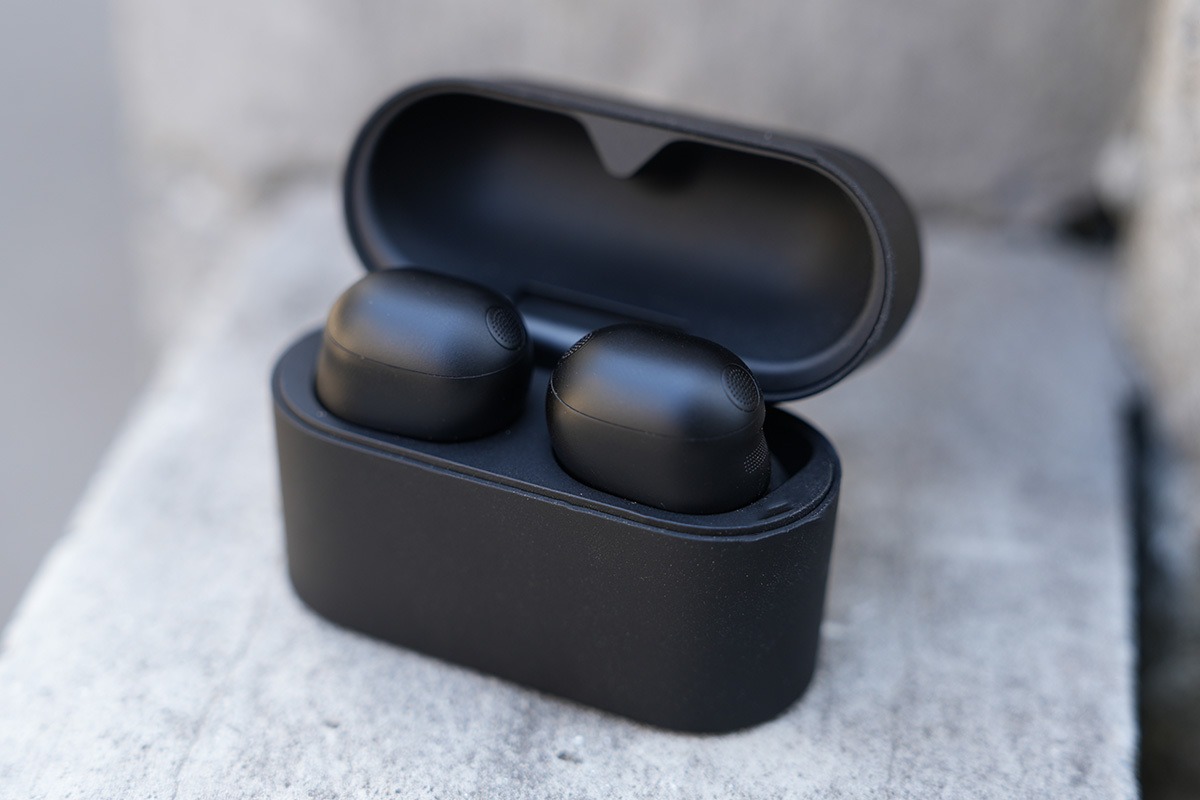
Breaking the Language Barrier: How AI Translating Earbuds Actually Work
For decades, the "Universal Translator" was the stuff of science fiction. Whether it was the Star Trek badge or the "Babel Fish" from The Hitchhiker’s Guide to the Galaxy, the idea of understanding any language in best real-time language translation earbuds 2026 (Visit Amazonaws) seemed centuries away.
Fast forward to today, and that technology is sitting inside your ear.
AI-powered translating earbuds (like those from Timekettle, Google, or Samsung) are transforming how we travel, do business, and connect with people from different cultures. But how do these tiny gadgets turn a foreign language into your native tongue in a matter of seconds?
It’s not magic—it’s a sophisticated "relay race" of three distinct technologies. Let’s look under the hood.
The Three-Step Relay: From Sound to Understanding
When someone speaks to you in a foreign language while you're wearing translation earbuds, the device performs a lightning-fast three-step process.
1. Automatic Speech Recognition (ASR)
First, the earbud's microphones pick up the sound waves. This is more difficult than it sounds. The device has to filter out background noise (like a busy street in Tokyo or a loud café in Paris) to isolate the speaker's voice.
The ASR engine then converts those acoustic signals into digital text. Think of this as the "transcription" phase. The AI identifies the phonemes (sounds), the words, and the pauses to create a written script of what was just said.
2. Neural Machine Translation (NMT)
Once the speech is turned into text, the "brain" of the operation kicks in. This text is sent to a translation engine—usually housed in a smartphone app or a cloud-based server.
Modern earbuds use Neural Machine Translation. Unlike old-school translators that swapped words one-by-one (often resulting in "word salad"), NMT uses deep learning to understand the context of entire sentences. It looks at the relationship between words to handle idioms, slang, and grammar, ensuring the translation sounds natural rather than robotic.
3. Text-to-Speech (TTS)
Now that the AI has a translated sentence in your native language, it needs to say it back to you. The TTS engine converts the translated text back into audio.
In the past, this sounded like a 1980s computer. Today, AI can replicate human prosody (the rhythm and intonation of speech) so the voice in your ear sounds like a real person.
The Role of the Smartphone: Why You Still Need Your Phone
You might notice that most translation earbuds require a Bluetooth connection to your phone. This is because the heavy lifting—the "thinking"—requires massive amounts of processing power.
While the earbuds handle the audio input/output, your smartphone acts as the gateway to the internet. It sends the data to powerful servers (belonging to companies like Google, Microsoft, or specialized translation firms) that can process millions of linguistic variables in milliseconds.
The Challenge of Latency
The biggest hurdle for AI earbuds is latency—the delay between someone speaking and you hearing the translation.
A delay of even two seconds can make a conversation feel clunky. To solve this, developers are working on:
- On-device processing: Moving the translation "brain" directly onto the earbud’s chip to bypass the need for an internet connection.
- Simultaneous Translation: Using AI that starts translating the beginning of a sentence while the speaker is still finishing the end.
Are They Perfect?
Not yet. AI still struggles with:
- Heavy Accents: Regional dialects can confuse the ASR engine.
- Nuance and Sarcasm: AI is great at literal meaning but often misses the "vibe" or emotional subtext.
- Noisy Environments: If the microphone can't hear the speaker clearly, the translation will be "garbage in, garbage out."
The Future: A World Without Borders
We are rapidly approaching a time when language is no longer a barrier to human connection. Future iterations of these devices will likely be even smaller, work entirely offline, and might even be able to clone the speaker's original voice so the translation sounds exactly like them.
Whether you’re a frequent flyer or just someone who wants to talk to their neighbor, AI translating earbuds are proving that the future isn't just about robots and spaceships—it's about finally understanding one another.
Have you tried translating earbuds yet? Or do you prefer the old-fashioned way of learning the language? Let us know in the comments!
댓글목록
등록된 댓글이 없습니다.